The future is here, and it’s queer, femme, and fun AF
We needed this. The 2026 Winter Olympics in Milan closed out on February 22nd, inspiring memes of haloed hair, heart-shaped podium poses, and uncensored, celebratory f-bombs. In a moment when the US government is attacking immigrants and the typo-ridden emails of powerful predators are flooding our feeds, the diverse, queer, femme-forward, anti-patriarchal energy of this year’s games was a balm to our collective soul. (Tuning you out, US men’s hockey team.)
The Olympics ended right on the heels of a game-changing conjunction between Saturn (the planet of discipline) and Neptune (the planet of dreams) in competitive Aries on February 20th. This once-in-36-years transit forces us to radically reimagine the world we want to live in, especially in the face of tough opposition. And two days later, we got a glimpse of what that world could be when Venus (the planet of creativity, relationships, beauty, and women) in Pisces formed a harmonious trine to Jupiter (the planet of luck, wisdom, and healing) in Cancer, on February 22nd. Venus and Jupiter are both exalted in these signs, meaning they can more easily bring home the gold and get the party started. And that they did. This year’s Olympics brought all the feels, spotlighted some iconic hair flips, and redefined what success looks like. All with two glitter-polished middle fingers raised to creepy dudes, fascist governments, and BS beauty standards everywhere.
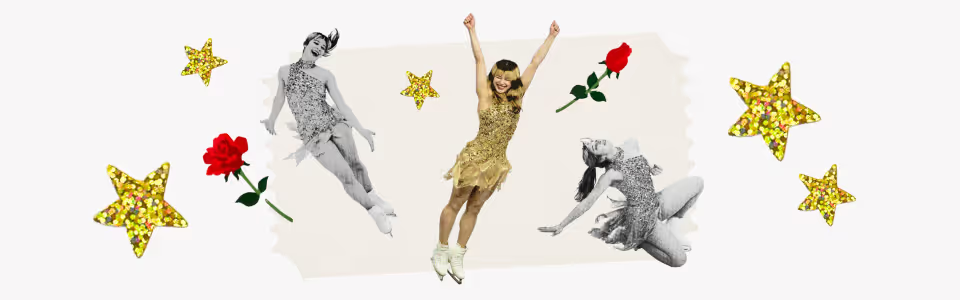
“I don’t need this, but what I needed was the stage, and I got that.” These were the words spoken by Leo-for-the-ages figure skater Alysa Liu when asked about her gold medal win — the first for US women’s figure skating in 24 years. Liu’s playful, unfazed freeskate to Donna Summer’s disco classic “MacArthur Park” landed her the top prize and launched a thousand gifs. Leo Suns notoriously love being center stage, and Liu is no exception — but her viral appeal comes with a twist. With her funky dyed hair, her self-done “smiley” piercing, and her sly nods to Bay Area rap legend Mac Dre (Liu calls Oakland home), she doesn’t style herself like a conventional skater. Instead, she comes across as more gritty than gilded. And that’s how she likes it.
Liu retired from her 11-year figure skating career in 2022, when she was 16 years old, citing trauma from the intense pressure that her higher-ups put on her. Despite the promise of a bright future, she chose to heal, rest, and live the life of a normal teenager for a while. And when she returned to the sport two years later, she vowed to do things her way. Her rules? “No one tells me what I’m gonna wear. No one tells me how my hair is gonna be. No one’s gonna try to change me,” she said. “If they tell me to dye my hair back, I will quit.”
In Liu’s natal chart, Venus is in meticulous Virgo — a challenging placement with unusual gifts. The ancients considered Virgo the sign of Venus’ fall, meaning the planet of beauty, style, and love struggles to express itself here. And Liu’s Venus is also forming a defiant square to Pluto (the planet of power and control), which is in free-spirited Sagittarius, as well as a tense opposition to Uranus (the planet of disruption) in dreamy Pisces. These aspects explain Liu’s resistance to being controlled, especially when it comes to self-expression. And she’s openly bucked other oppressive standards common in figure skating, adding: “No one is going to starve me and tell me what I can or cannot eat.” Liu’s relaxed reclamation of her autonomy and her commitment to playing by her own rules paid off big time. Her Olympic moves were more punk rock than people-pleasing, and they centered her own personal tastes throughout. The friction of Liu’s “fallen” Venus placement resulted in the pearl of her uniquely self-possessed performance, conducted with the flawless technical skill that Virgo is known for. Shimmering in Leo gold, Liu showcased what it looks like to compete for the sheer joy of it, and completely on her own terms.
And Liu’s victory is astrologically significant too. Her father immigrated to the US from China, fleeing persecution after he participated in the pro-democracy protests surrounding the Tiananmen Square massacre, which took place during the last Saturn-Neptune conjunctions in 1989. Liu’s triumph during the most recent Saturn-Neptune conjunction highlights the dynamic history that contributed to her win, adding a hopeful chapter to a much longer story about resistance and risk-taking in the name of freedom.
Liu’s fellow athletes also prioritized vulnerability and authenticity over sports-bro posturing. With Venus running the show, patriarchal stoicism was out, and wearing hearts on sleeves was in. Fake facades of invincibility were swapped with candid conversations about women’s health and other behind-the-scenes struggles of competing. Liu’s teammate Amber Glenn — who has been outspoken about her battles with anxiety, depression, and an eating disorder — made waves for speaking honestly about the difficulties of competing while on her period. “It’s something that we don’t really talk about a lot for female athletes,” Glenn said, “but I think it should be a topic of discussion.” Both Glenn and Liu have also been upfront about their ADHD diagnoses, shedding light on the unique experiences of neurodivergent athletes. Instead of holding their cards to their chest, this year’s Olympians exemplified the power of breaking their professional poker faces and being real.
They also didn’t hold back when it came to unapologetically applauding themselves and their accomplishments — a very Jupiter move. When a reporter asked Team China’s freestyle skier Eileen Gu whether she was disappointed to win a silver medal in the women’s big air competition, Gu gave a playful head toss. “I’m the most decorated female freeskier in history,” she responded, as if to say, Next question. And now, Gu is the most decorated freestyle skier of all time, period. But she wasn’t the only one refusing to shrink. When Laila Edwards was asked about becoming the first Black woman to play for the US women’s hockey team shortly before her gold medal win, she answered, “I’m honored to be that role model.” And after Liu finished her gold-medal freeskate performance, she gave the guttural, full-body screech of joy heard all around the world: “That’s what I’m fucking talking about!”
These champions weren’t interested in overshadowing others as they hyped themselves up, though. Instead, they embodied Venus’ relational spirit, and many were loud and proud about giving others their flowers. Liu, Glenn, and their teammate Isabeau Levito — who call themselves the “Blade Angels” — were filmed excitedly cheering for each other’s high scores. Liu also gave Japanese competitor Ami Nakai a bear hug so fierce it lifted her off the floor. And when Nakai’s teammate Kaori Sakamoto made critical errors in her performance, Glenn comforted her and shooed away the camera operators.
But these athletes weren’t just giving props to their fellow competitors. They widened the scope of their gratitude to include supporters who often get ignored. When US bobsledder Elana Meyers Taylor won a gold medal, she immediately embraced her nanny and her children. And shortly after her gold medal victory, Gu broke down in tears and told reporters about the recent passing of her beloved grandmother: “I didn't promise her that I was going to win, but I did promise her that I was going to be brave.” These women made sure to emphasize the critical and often overlooked roles that caregivers and family members play in helping athletes compete (something Jupiter in Cancer does best). While athletic competition is often framed as a ferocious battle of egos, these women cracked open a window to reveal a different vision: one that allows for both recognizing individual achievements and wholeheartedly honoring one another’s talents, with shout-outs to all the support systems holding everyone up along the way.
Last week’s Saturn-Neptune conjunction and Venus–Jupiter trine were opportunities to push back against systems of supremacy, dream outside of their rigid lines, and celebrate the power and unbridled joy that women, femmes, and queer people bring to their fields — and that’s exactly what these Olympians did. By moving how they wanted, dressing how they wanted, and openly defying the standards that didn’t sit right with them, they showed us new possibilities for how to shine and how to coexist. As Liu said, when we prioritize the messiness of creative freedom and communal care over perfection and dominance, “There’s no way to lose.”